Best Neopixel Lightsabers for Dueling in 2026: Blades That Survive Real Combat
Best neopixel lightsabers for dueling need thick polycarbonate blades, aircraft-grade hilts, and a contact-rated core. Compare Baselit, Xenopixel, Proffie, and Xeno3 before you buy.
What Is a Dueling-Ready Neopixel Lightsaber?
- What Is a Dueling-Ready Neopixel Lightsaber?
- How Neopixel Dueling Cores Actually Work
- Benefits and Who a Dueling Neopixel Saber Is For
- Core Types Compared: Baselit vs Xenopixel vs Proffie vs Xeno3
- Choosing the Best Neopixel Lightsabers for Dueling: Specs That Matter
- Common Mistakes, Myths, and Risks in Neopixel Dueling
- Alternatives and Related Saber Builds
- Getting Started: Your First Dueling-Ready Neopixel Saber
Best neopixel lightsabers for dueling need three things most costume props skip: thick polycarbonate, aircraft-grade hilts, and a core rated for contact. Toyvado breaks down the specs, core types, and buying mistakes that decide whether your blade survives sparring season.
A dueling-grade neopixel lightsaber pairs a 2–3mm polycarbonate blade with a 6061-T6 aluminum hilt and a core built for contact, not just display.
If you only remember one thing: blade wall thickness and hilt alloy matter more for dueling survival than LED count or soundfont library.
Check Vader's Sabers- What separates a display-only neopixel saber from a dueling-ready one
- How Baselit, Xenopixel, Proffie, and Xeno3 cores actually work
- The exact blade and hilt specs to check before buying
- Common mistakes that crack blades or fry LEDs during sparring
- Where to go next if you already know your core preference
What Is a Dueling-Ready Neopixel Lightsaber?
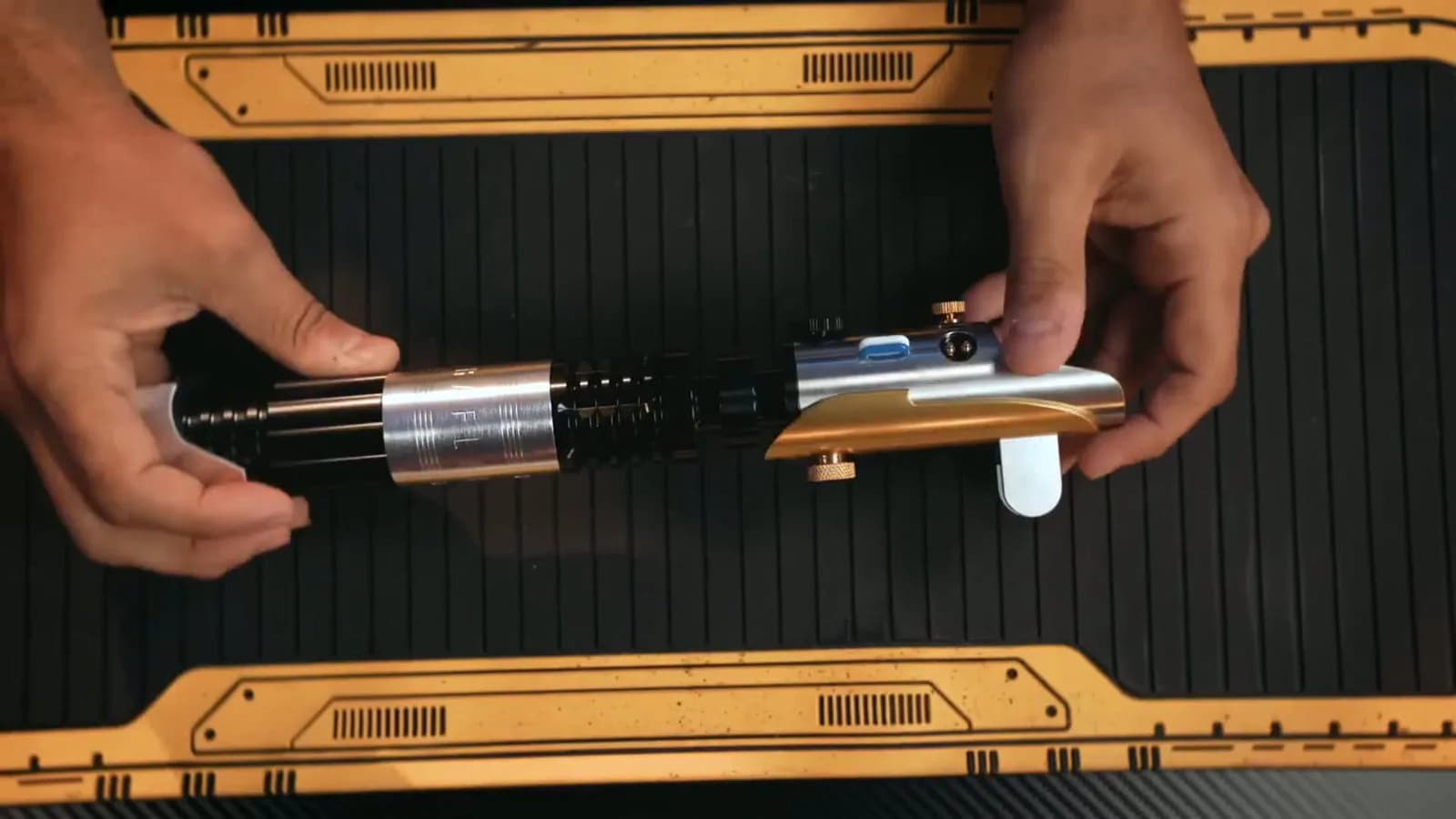
A neopixel lightsaber is a prop blade built from a strip of individually addressable LEDs run the length of a polycarbonate tube, rather than a single bulb shining up from the hilt. A genuine dueling build layers 240–256 individual LEDs, an internal diffusion film or foam to prevent hotspots, and an outer polycarbonate tube (typically 1 inch outer diameter) press-fitted into the blade emitter. That layered construction is what produces the smooth, hotspot-free glow you see in stage and combat demonstrations.
"Dueling-ready" is not marketing language — it describes a specific spec floor. A saber only qualifies if the blade wall and hilt alloy are rated to absorb repeated impact, not just look good under studio lighting. Plenty of neopixel sabers sold as "cosplay" or "display" pieces use thinner walls and softer alloys that were never meant for contact.
How Neopixel Dueling Cores Actually Work
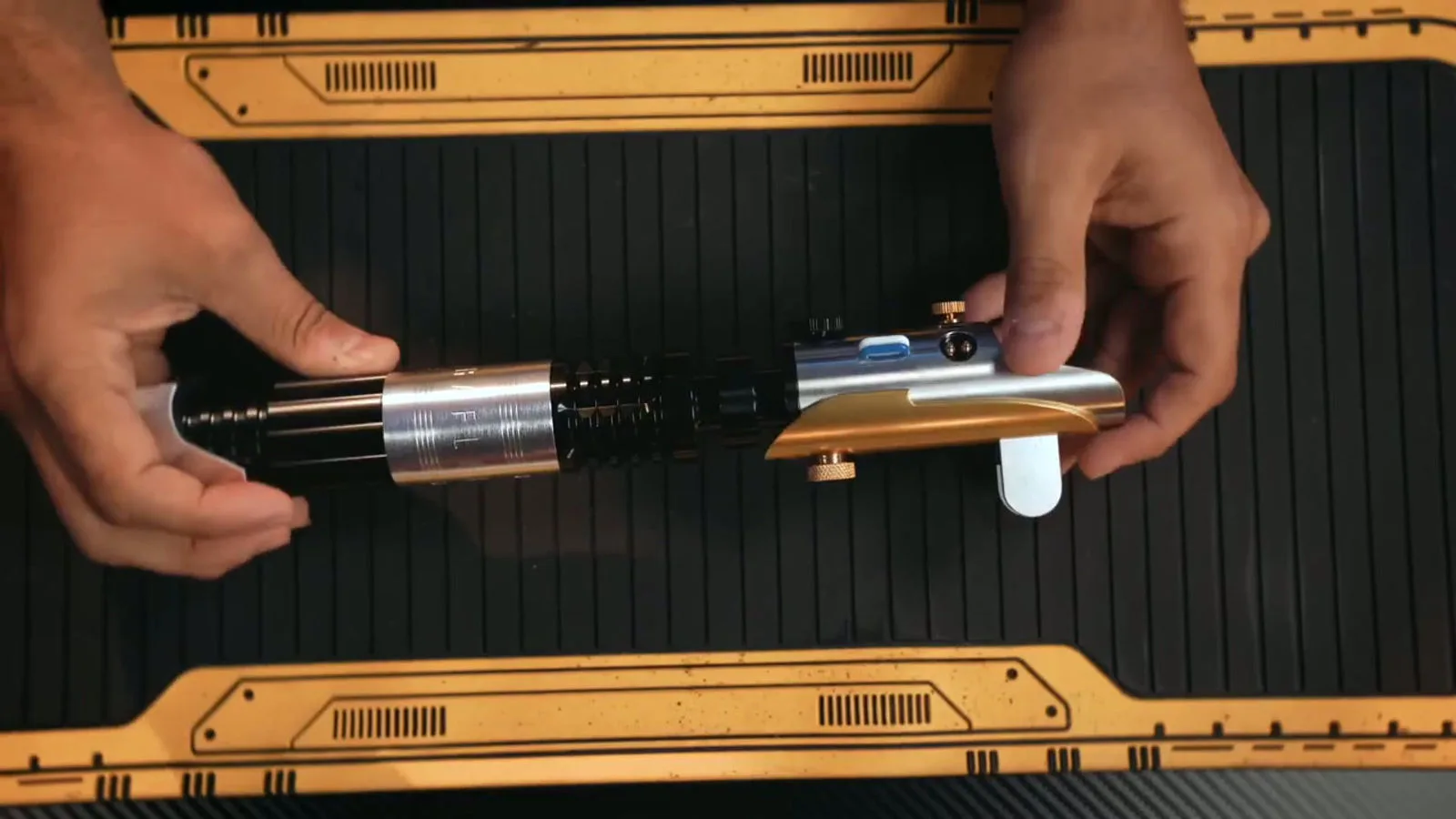
The "core" is the electronics package that drives the blade — and it is the single biggest factor in how a saber survives sparring. Three core families dominate the current market, each with a different approach to where the LEDs physically sit.
Baselit cores place a single powerful LED inside the hilt, with light shining up into a hollow polycarbonate blade containing light-diffusing film, producing smooth-swing and flash-on-clash effects with a gradual ignition brighten. Because the electronics never leave the handle, the blade itself stays simple and cheap to replace.
Xenopixel V3 cores embed 250+ LEDs throughout the blade itself, using a 50W super-bright LED strip and 34 soundfonts with matching lighting effects, delivering a far more vivid, movie-accurate glow than baselit — at the cost of putting delicate electronics exactly where strikes land.
Proffie boards are fully open-source, offering higher-quality soundfonts, extensive community support, and robust aftermarket development for enthusiasts who want maximum personalization. Proffie's SmoothSwing motion algorithm produces realistic hums, swings, and clashes, plus advanced effects like tip drag, that mirror actual saber motion. Xeno3 sits between the two philosophies — it can be wired for either Baselit or Neopixel configuration on a single soundboard, preloaded with 16 fonts and Bluetooth control via the Xeno Configurator app, giving builders flexibility without committing to one LED layout upfront.
Benefits and Who a Dueling Neopixel Saber Is For
A dueling-ready neopixel saber earns its higher cost when the reader actually spars, choreographs, or trains regularly — not just for the occasional convention photo. The core benefit is durability under repeated contact: a blade rated for dueling keeps its light output consistent strike after strike instead of flickering, dimming, or cracking.
This category suits three reader profiles best: choreographers who need reliable ignition and swing effects across many takes, saber-combat hobbyists sparring regularly with a local group, and collectors who want a display piece that could also survive light contact if a friend wants to spar. It is a poor fit for casual cosplayers who only need a photo-ready prop for a few hours — a lighter, cheaper baselit or display-grade saber does that job for less money and less weight.
Core Types Compared: Baselit vs Xenopixel vs Proffie vs Xeno3
No single core wins every category. The table below lines up the four core families by the traits that matter most for dueling decisions: LED placement, brightness, customization depth, and contact durability.
| Core type | LED placement | Contact durability | Customization |
|---|---|---|---|
| Baselit | Single LED in hilt, light diffused through hollow blade | High — electronics protected in the hilt, cheap blade replacement | Limited compared to pixel cores |
| Xenopixel V3 | 250+ LEDs embedded through the blade | Moderate — not recommended for heavy contact sparring | 34 soundfonts, SD-card customizable |
| Proffie | 240–256 LEDs through the blade | Depends on blade wall thickness chosen | Highest — fully open-source, unlimited upgrade paths |
| Xeno3 | Wireable as Baselit or Neopixel | Depends on wiring choice | 16 preloaded fonts, Bluetooth app control |
The pattern is consistent across independent saber retailers: putting LEDs inside the protected hilt (baselit) trades some visual punch for real dueling durability, while blade-embedded LEDs (xenopixel, proffie in pixel mode) trade some durability for brightness and effect depth.
Choosing the Best Neopixel Lightsabers for Dueling: Specs That Matter
Once you have a core preference, two physical specs decide whether the saber actually survives sparring: blade wall thickness and hilt alloy. Skip either check and you risk a cracked blade or a bent hilt within a few sessions.
Standard neopixel blades use 2mm polycarbonate thickness, while premium and heavy-dueling grades use 3mm thick polycarbonate walls — thicker walls absorb more punishment during contact dueling, though they add weight. PVC or 3D-printed blade materials are unsuitable for dueling and should be avoided for safety and durability.
Aircraft-grade aluminum (6061-T6 alloy) is the preferred hilt material for full-contact dueling, offering superior strength and impact resistance; alternatives such as nickel-mixed aluminum or carbon fiber add durability where available, while PVC and 3D-printed hilts cannot withstand dueling impact forces.
| Spec | Dueling-ready | Avoid for dueling |
|---|---|---|
| Blade wall | 2–3mm polycarbonate | PVC or 3D-printed blades |
| Hilt alloy | 6061-T6 aircraft-grade aluminum | PVC or 3D-printed hilts |
Common Mistakes, Myths, and Risks in Neopixel Dueling
The most common mistake is assuming any "neopixel" listing is automatically dueling-safe. It is not — brightness and LED count describe visual quality, not impact tolerance. Xenopixel cores can be used for dueling but are not recommended for heavy contact sparring, since the 250+ LEDs and electronics embedded within the blade are more prone to damage when struck; they suit light dueling, display, or cosplay better than full-contact sparring.
A second myth is that baselit sabers are "lower quality" simply because they use fewer LEDs. For full-contact heavy dueling, baselit cores are more durable than neopixel because the LEDs sit protected inside the aluminum hilt rather than running through the blade where strikes land, and blade replacement is significantly more affordable — useful for regular sparring, group training, or handing sabers to less experienced duelists.
Also budget for aftercare. Manufacturer warranties on dueling sabers commonly cover a 90-day parts-and-labor window, with extended parts-only coverage on some cores, and return windows are typically limited to around 15 days and require the saber to arrive back in the same condition it was received — factor that into how you test a new blade before committing to full-contact use.
Alternatives and Related Saber Builds
Not every reader needs the heaviest-duty dueling spec on their first purchase. If you are still comparing core types and blade grades side by side before deciding, our full walkthrough on how to choose a neopixel lightsaber in 2026 goes deeper into matching blade length, weight, and grip style to your build. If you have already narrowed your search to a specific manufacturer, our Vader's Sabers review covers hands-on impressions of specific dueling models.
Builders who want maximum control sometimes skip pre-built sabers entirely and assemble a Proffie-based blade from parts, trading convenience for full customization. Others start with a baselit saber to learn choreography cheaply before upgrading to a pixel core once their swing technique is consistent enough to avoid unnecessary strikes.
Getting Started: Your First Dueling-Ready Neopixel Saber
If you already know you want a purpose-built dueling saber rather than assembling your own, look for a manufacturer that documents blade wall thickness, hilt alloy, and core type up front rather than burying specs. Vader's Sabers is a US-based manufacturer offering custom neopixel and pixel lightsabers with multiple core technology options, including Proffie open-source soundboards with 240+ LEDs inside pixel blades and alternative cores like Xenopixel, aimed at dueling-ready builds with visual and audio customization.
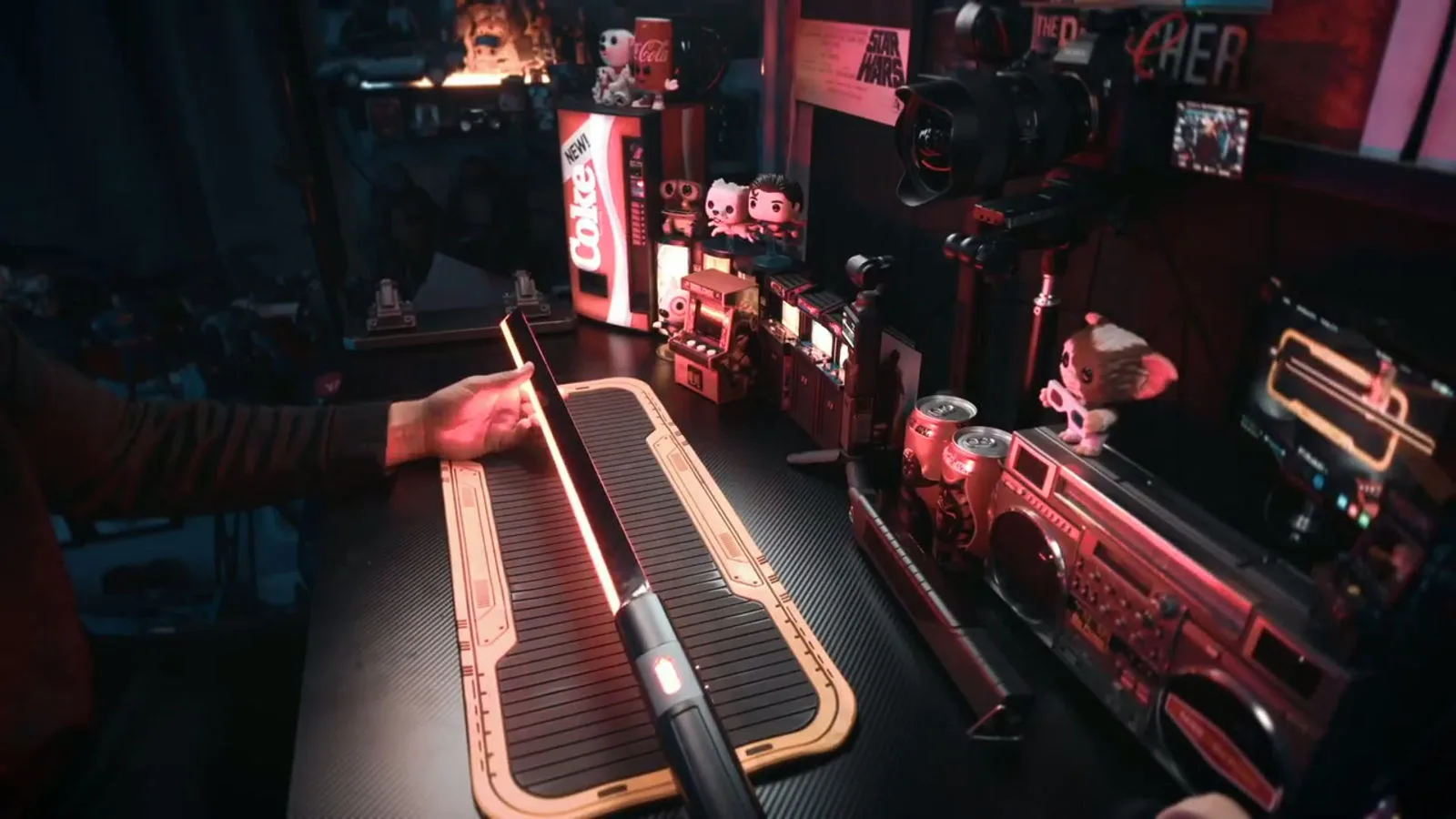
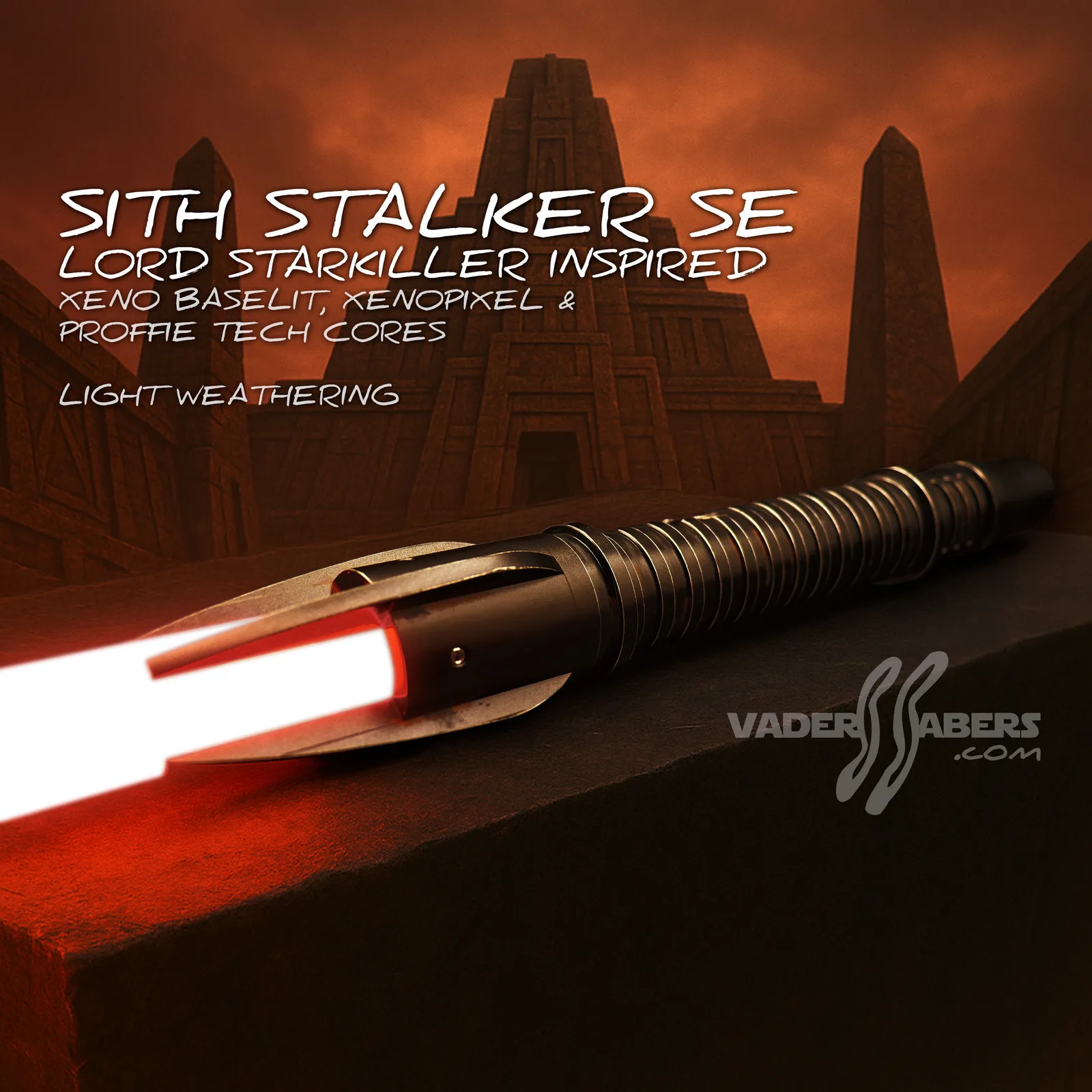
Two of their dueling-focused models illustrate the spec differences discussed above. The Sith Stalker SE is inspired by the corrupted Starkiller from The Force Unleashed, featuring exposed emitter claws and a wrapped central grip, with custom battle-worn weathering available. The Jagged Enforcer is built specifically for dueling with a minimalist, aggressive design — a 26cm (10.2in) hilt weighing 1.1kg (2.43lb), supporting 28in, 32in, or 36in blades, with 32in recommended for optimal balance and agility.
Vader's Sabers dueling lineup
Custom Proffie, Xenopixel, and SN-Pixel core options with dueling-specific hilts like the Jagged Enforcer and Sith Stalker SE.
View Vader's Sabers LineupWhere to Go Next
The short version: match blade wall thickness and hilt alloy to how hard you actually plan to spar, not to LED count alone. Baselit wins on contact durability and cheap blade replacement; Proffie and Xenopixel win on visual realism and customization, at some cost to blade-side durability under heavy strikes. If you are still weighing blade length, grip, and build options against your budget, continue to our neopixel lightsaber buying guide. If you already have a manufacturer shortlist, read our Vader's Sabers review next.
Sources
- Dual Sabers — Are Neopixel Lightsabers Good for Dueling
- Dual Sabers — How to Make a Neopixel Blade
- CCSabers — Best Lightsaber for Dueling Guide 2026
- Galactic Saber Store — Neopixel Blade Review for Dueling
- SabersPro — Lightsaber Core Types Reference
This guide is for general educational purposes and reflects publicly available manufacturer specifications and saber-retailer technical resources current as of the last reviewed date. Always confirm current specs, warranty terms, and blade ratings directly with the manufacturer before a purchase, and follow safe sparring practices — even dueling-rated blades can fail under extreme force.
Recommended for you
 How to Choose a Neopixel Lightsaber (Best 2026 Guide)
 Beginner RC Buying Guide: Best Planes, Cars & Helis 2026
 Vader's Sabers Review 2026: Worth Buying?
 Tabasquishy Dumpling Squishy Review 2026: Worth the Hype?
 Vermont Teddy Bear Review 2026: Is the Hunka Love Bear Worth $105?
 Tabasquishy Dumpling Squishy Review 2026: Worth the Hype?