How to Choose a Neopixel Lightsaber in 2026: Baselit vs Xenopixel vs Proffie
Not sure how to choose a neopixel lightsaber? Compare Baselit, Xenopixel V3, and Proffie cores on durability, brightness, and customization before you buy.
Do neopixel cores actually hold up for dueling?
Learning how to choose a neopixel lightsaber comes down to one core decision: where the LEDs live and how much punishment your build needs to survive. Baselit, Xenopixel V3, and Proffie all produce the glowing, ignition-flaring blade fans expect, but they trade off durability, brightness, and customization very differently. This guide breaks down the evidence so you can match a core, blade, and hilt to your actual use case — heavy dueling, display, or full creative control — before you spend on a saber from Vader's Sabers or anywhere else.
Pick baselit for heavy contact dueling, Xenopixel V3 for movie-accurate brightness, Proffie for total creative control.
If you spar hard and often, a baselit core with a thick polycarbonate blade survives contact far better than an LED-in-blade neopixel build. If you want the most screen-accurate glow and don't duel heavily, Xenopixel V3 delivers. If you want to program every swing effect yourself, Proffie is the open platform to build on.
Compare Core Options at Vader's SabersKey highlights
- Baselit cores keep the LED inside the aluminum hilt, so the blade itself stays simpler and cheaper to replace.
- Xenopixel V3 runs 250+ LEDs through the blade with a 50W LED strip for maximum brightness.
- Proffie is a fully open-source board with SmoothSwing motion effects and unlimited community-driven customization.
- Dueling blades need 2-3mm polycarbonate walls — thinner materials like PVC or 3D-printed plastic are unsafe for contact.
- Hilts built for full-contact dueling should use 6061-T6 aircraft-grade aluminum.
Do neopixel cores actually hold up for dueling?
Neopixel blades are built from a strip of 240-256 individual LEDs, an internal diffusion layer that prevents visible hotspots, and an outer polycarbonate tube press-fitted into the emitter. That construction is what gives neopixel sabers their smooth, full-length glow rather than a single light bleeding up from the hilt. The trade-off is durability: because the LED strip runs the entire length of the blade, a hard strike during dueling can damage the strip itself, which is why guides consistently flag xenopixel-style neopixel blades as better suited to light dueling, display, or cosplay rather than full-contact sparring.
Baselit cores sidestep this risk entirely. The single LED sits inside the aluminum hilt and shines up into a hollow, diffusion-filled blade, so the electronics never take a direct hit — only the blade does, and blade replacement is comparatively cheap. For heavy or regular sparring, group training, or handing a saber to a less experienced duelist, that protected-electronics design is the more durable choice.
Vader's Sabers offers Proffie, Xenopixel, and SN-Pixel core choices
Vader's Sabers builds custom movie-inspired sabers across multiple core technologies, including Proffie open-source boards with 240+ LEDs and alternative Xenopixel cores.
See Core OptionsHow to choose a neopixel lightsaber for your situation
The right way to think about how to choose a neopixel lightsaber is to start from how you'll actually use it, then work backward to the core, blade, and hilt that fit that use case. Below are the three most common buyer situations.
You duel hard and often
Prioritize a baselit core with a 3mm polycarbonate blade and a 6061-T6 aluminum hilt. Because the LED lives in the hilt, you're protecting the electronics from strikes and only budgeting for blade replacement, which is the cheaper part to swap out. If you want brighter movie-style effects without fully committing to fragile electronics, look at a Xeno3 board wired for baselit configuration — it keeps the protected-hilt layout while still offering 16 preloaded fonts and Bluetooth control via the Xeno Configurator app.
You want display, cosplay, or light sparring
Xenopixel V3's 250+ LEDs and 50W strip deliver the brightest, most screen-accurate ignition and blade effects, with 34 soundfonts and full SD-card customization. This is the setup most buyers picture when they imagine a neopixel lightsaber, and it performs best when strikes are minimal and controlled rather than full-contact.
You want maximum customization and don't mind tinkering
Proffie boards are open-source, support SmoothSwing motion algorithms for realistic hums and clashes, and benefit from an active aftermarket and community-built mod ecosystem. If you plan to keep upgrading fonts, effects, and motion styles over time, this is the platform with the most long-term headroom.
Baselit vs Xenopixel V3 vs Proffie: full comparison
Here's how the three core technologies stack up on the factors that matter most when deciding how to choose a neopixel lightsaber for your build.
| Factor | Baselit | Xenopixel V3 | Proffie |
|---|---|---|---|
| LED placement | Single LED in hilt, light diffused up the blade | 250+ LEDs embedded in the blade | 240+ LEDs in a neopixel blade, open-source board |
| Dueling durability | Higher — electronics protected in the hilt | Lower — blade LEDs vulnerable to hard strikes | Depends on blade grade; same LED-in-blade exposure as neopixel |
| Brightness / effects | Smooth-swing, flash-on-clash, gradual ignition | 50W strip, 34 soundfonts, iconic movie brightness | SmoothSwing motion algorithm, tip drag, custom effects |
| Customization | Limited compared to pixel alternatives | Fully customizable via SD card | Open-source, unlimited via community mods |
| Blade replacement cost impact | Cheaper — simpler polycarbonate blade | Higher — LED strip is part of the blade | Higher — LED strip is part of the blade |
How to use and maintain your saber safely
- Confirm blade thickness before dueling — 2mm is standard, 3mm polycarbonate is the premium/heavy-dueling grade.
- Never duel with PVC or 3D-printed blades; they are unsuitable for contact and unsafe.
- Inspect the hilt material — 6061-T6 aircraft-grade aluminum resists impact better than budget alloys.
- Match saber weight to your dueling style; a hilt like the Jagged Enforcer weighs 1.1 kilograms and pairs a 32-inch blade for balance and agility.
- Register any warranty coverage on delivery — Vader's Sabers covers 90 days of parts and labor, plus up to a year on parts for Xenopixel/SN-Pixel cores.
- Keep return windows in mind: Vader's Sabers accepts returns or one exchange within 15 days if the saber is undamaged.
Common mistakes to avoid
The most frequent mistake is buying a Xenopixel or standard neopixel blade purely for its brightness and then using it for heavy, regular sparring — the LED strip in the blade is the part most exposed to strike damage. A related mistake is assuming any polycarbonate blade is duel-ready; only the 2-3mm-wall grade is rated for contact, and thinner novelty tubes or PVC substitutes should be avoided entirely. Finally, don't overlook hilt material — a lightweight but soft alloy hilt undermines even a well-built blade, whereas 6061-T6 aluminum is the benchmark for full-contact durability.
Alternatives worth comparing
If dueling durability is your top priority, read our roundup of the best neopixel lightsabers for dueling in 2026 for direct model-by-model picks. If you're specifically weighing Vader's Sabers against other custom builders, our full Vader's Sabers review covers build quality, warranty terms, and ordering details in depth.
How We Chose
Recommendations here are based on published core-technology references, blade-construction guides, and dueling-durability comparisons from saber-building resources, cross-checked against manufacturer product pages. No claims are based on in-house testing.
The bottom line
Knowing how to choose a neopixel lightsaber really comes down to matching the core to your dueling intensity: baselit for heavy contact, Xenopixel V3 for the brightest movie-accurate look, and Proffie if you want an open platform to keep customizing. Vader's Sabers offers all three core options in movie-inspired builds worth comparing side by side.
Compare Sabers at Vader's SabersReferences
- SabersPro — Lightsaber Core Types Reference
- CCSabers — Best Saber for Dueling Guide 2026
- Dual Sabers — Are Neopixel Lightsabers Good for Dueling
- Dual Sabers — How to Make a Neopixel Blade
- Galactic Saber Store — Neopixel Blade Review for Dueling
- The Saber Armory — Proffieboard V2.2 Product Page
- Vire Sabers — Core Types and Electronics Reference
This guide is for general buying-decision purposes and reflects publicly available manufacturer and reference-guide information at the time of writing. Always follow the manufacturer's safety guidance for dueling use, and inspect your saber before each session.
Recommended for you
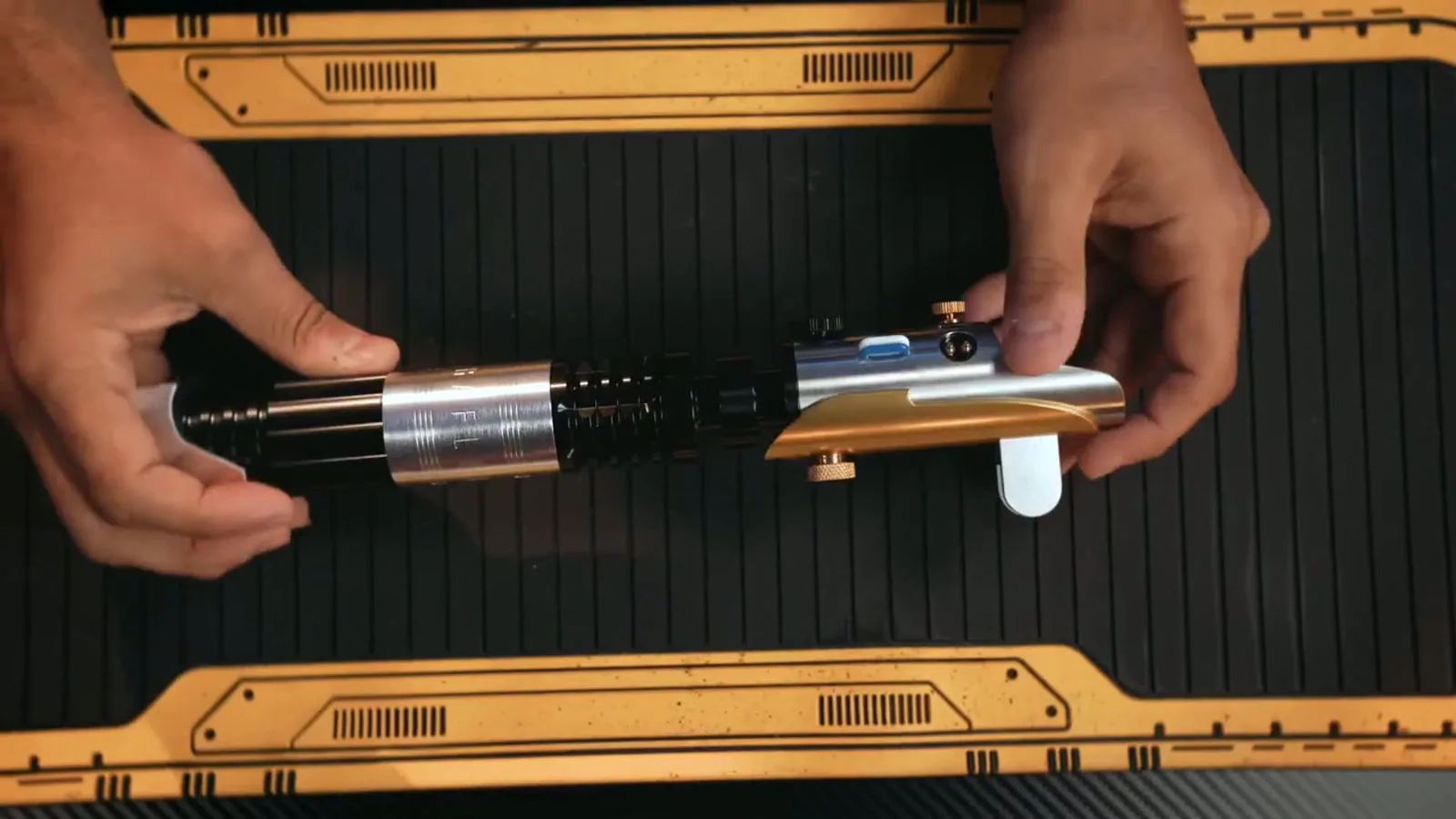 Best Neopixel Lightsabers for Dueling in 2026 Guide
 Beginner RC Buying Guide: Best Planes, Cars & Helis 2026
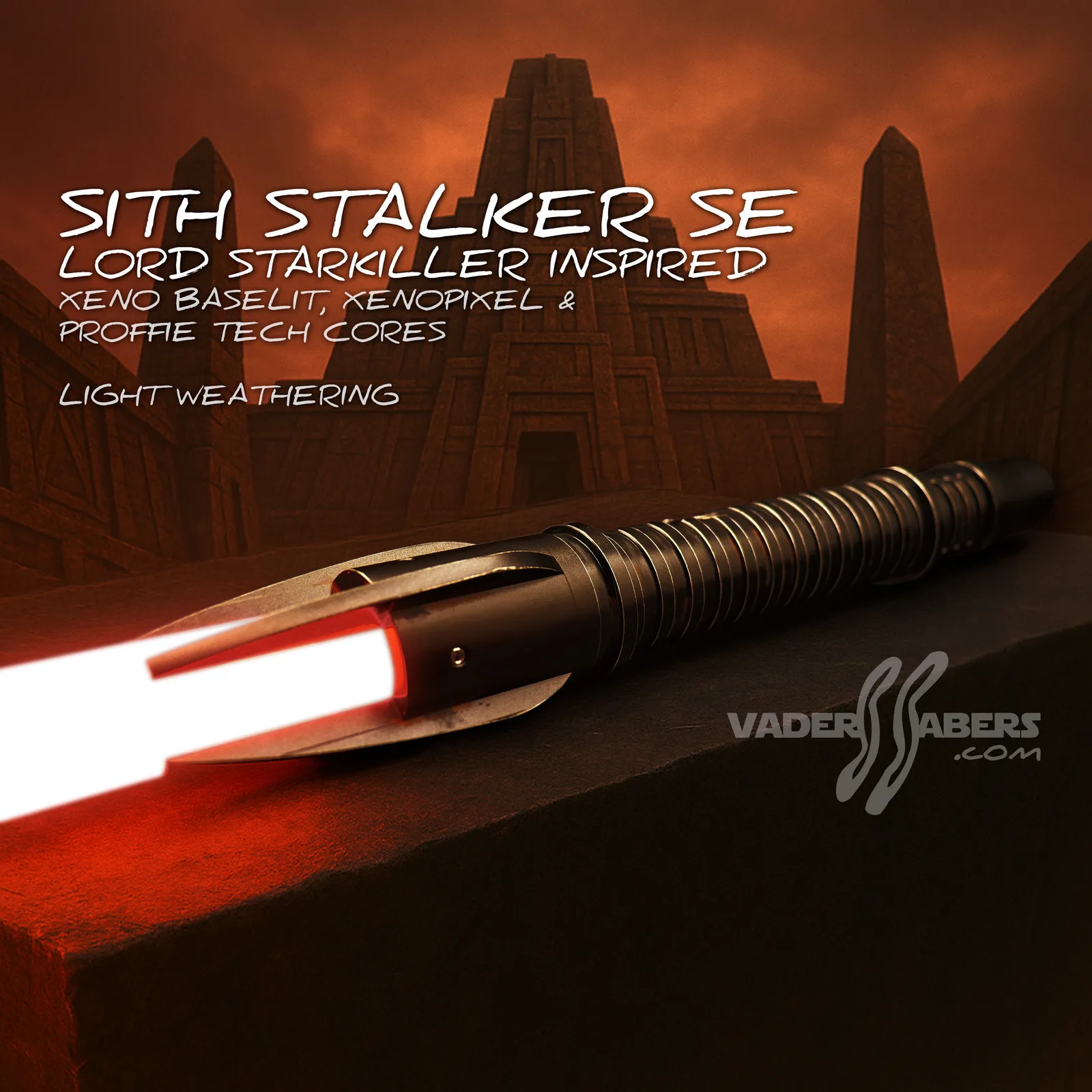 Vader's Sabers Review 2026: Worth Buying?
 Tabasquishy Dumpling Squishy Review 2026: Worth the Hype?
 Vermont Teddy Bear Review 2026: Is the Hunka Love Bear Worth $105?
 Tabasquishy Dumpling Squishy Review 2026: Worth the Hype?